
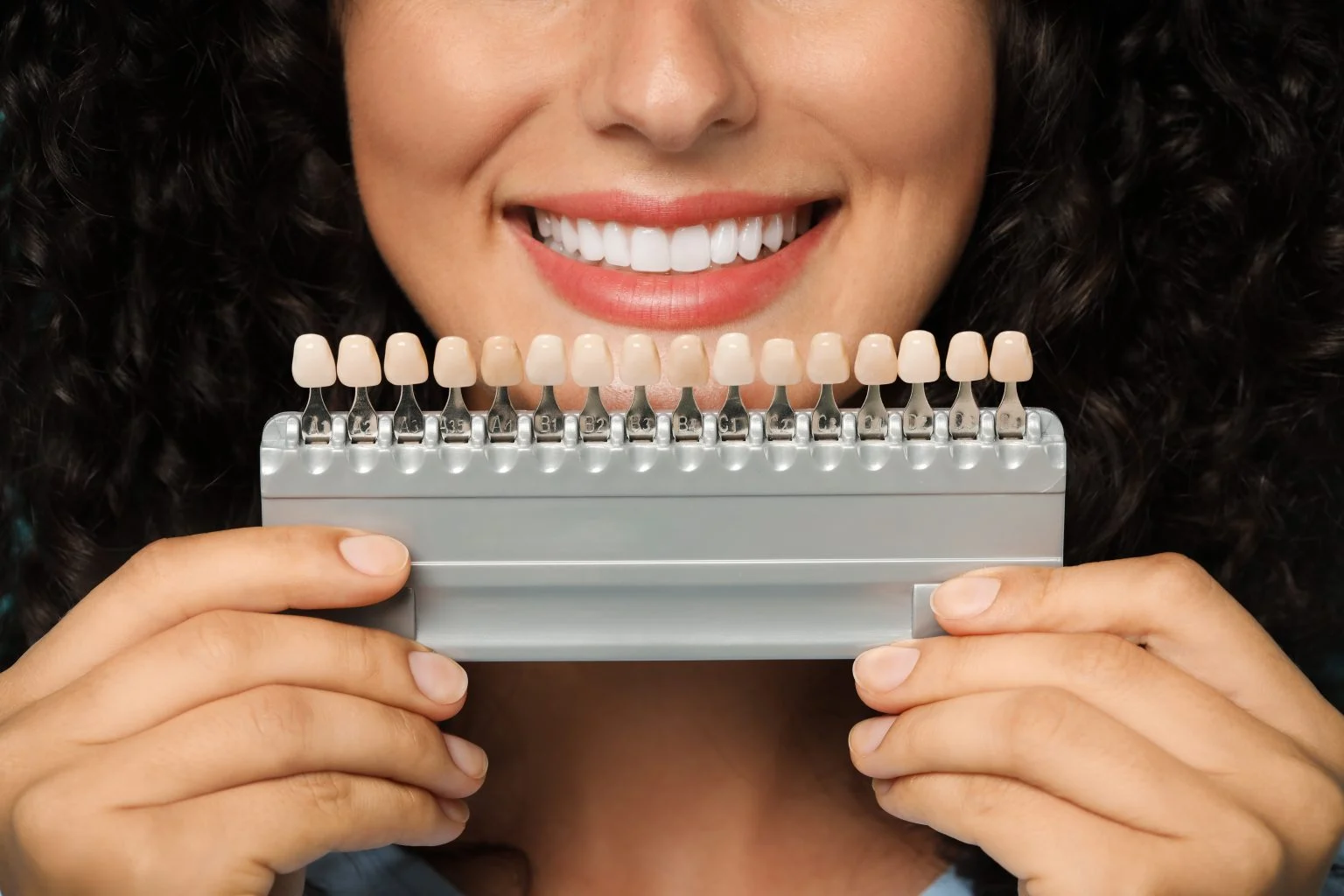
A chipped or discolored front tooth can make you feel self-conscious about your smile. If you live in Parma and want to fix this problem, you might wonder if bonding or veneers is the better choice. The right option depends on how much damage you have, your budget, and how long you want the results to last.
Both treatments are popular in cosmetic dentistry, and a skilled cosmetic dentist can help you pick the best one for your smile enhancement goals. Bonding works well for small chips and minor stains, while veneers often give better results for larger damage or deeper discoloration. Your choice also affects how long the fix will last and how much it will cost you.
This guide walks you through both options so you can make a smart choice for your front teeth. You’ll learn how each treatment works, what results to expect, and how to care for your smile once treatment is done.
Key Takeaways
- Bonding and veneers each offer different benefits depending on the size and type of tooth damage you have.
- Cost, durability, and treatment time vary between the two options, so it helps to compare them before deciding.
- Taking care of your teeth after treatment helps your smile stay bright and last longer.
Bonding and Veneers at a Glance
If you have a chipped or discolored front tooth, you have three main paths to fix it: dental bonding, porcelain veneers, or composite veneers. Each one works a little differently and fits different budgets, timelines, and goals, so it helps to know the basics before you decide.
How Dental Bonding Uses Composite Resin
Dental bonding uses tooth-colored composite resin to repair small chips, gaps, or stains. Your dentist shapes the resin right onto your tooth, then hardens it with a special light.
This whole process usually takes place in one visit. There’s little to no drilling involved, so you keep most of your natural tooth structure.
Teeth bonding is one of the most affordable cosmetic dental procedures available. It works best for minor fixes rather than major changes.
Keep in mind that tooth-colored resin can wear down or stain over time. You may need touch-ups every few years to keep your smile looking fresh.
How Porcelain Veneers Transform Tooth Surfaces
Porcelain veneers are thin shells custom-made to cover the front of your teeth. Your dentist removes a small layer of enamel first, then bonds the veneer in place.
This process usually takes two or more visits since each veneer is made to fit your exact tooth shape. Dental veneers can fix chips, gaps, stains, and even minor misalignment all at once.
Porcelain resists stains much better than composite resin does. Many people enjoy their veneers for 15 years or longer with the right care and maintenance.
The trade-off is cost. Veneers cost more upfront than bonding, but they often last much longer.
Composite Veneers as a Middle-Ground Option
Composite veneers use the same tooth-colored resin as cosmetic bonding, but they’re applied more like a full veneer. Your dentist places a thicker layer of resin over your tooth to reshape it and hide flaws.
This gives you more coverage than basic bonding without the higher cost of porcelain. It’s a good choice if you want a bigger change but aren’t ready for the price tag of full veneers.
Composite veneers typically take one to two visits to complete. They don’t last quite as long as porcelain, but they’re easier and cheaper to repair if something goes wrong.
Which Treatment Fits Your Front-Tooth Concern?
The right fix for your smile depends on what’s actually wrong with your tooth. A small chip needs a different answer than deep stains or a gap between your teeth.
Minor Chips, Small Cracks, and Isolated Repairs
A small chip on one tooth is often the easiest fix. Your dentist can use tooth-colored resin to fill in the chipped area and smooth it out.
This process is called bonding, and it works well for minor chips and small cracks that don’t affect the whole tooth. It’s quick, usually done in one visit, and doesn’t require removing much of your natural tooth.
Keep in mind that bonding material can wear down over time. If you bite your nails or chew on hard objects, you might need a touch-up down the road. But for a single chipped front tooth, this cosmetic repair option is often the most practical choice.
Stubborn Discoloration and Uneven Tooth Shape
Some stains don’t respond to whitening treatments. If your tooth has severe discoloration that won’t budge, a veneer might be a better fit than bonding.
Veneers are thin shells that cover the front of your tooth completely. They can fix uneven tooth shape and cover dark stains that bonding can’t fully hide.
Porcelain also holds its color better than bonding material over time. If you have one tooth that looks noticeably different from the rest, whether due to color or shape, a veneer gives your dentist more control over blending it with your smile.
Small Gaps and Broader Smile Makeovers
If you have small gaps between your teeth or you’re looking at a full smile makeover, your options widen a bit. Bonding can close small gaps between teeth on a budget, but it may not hold up as well as porcelain over the years.
For a broader smile makeover involving multiple teeth, veneers often provide more consistent results across several teeth at once. They’re built to match in color, shape, and size, which matters more when you’re changing the look of more than one tooth.
Your dentist can help you decide if a single tooth or a few teeth need attention, based on your goals and budget.
When a Crown, Whitening, or Orthodontics May Be Better
Not every front-tooth problem calls for bonding or a veneer. If a tooth has cracked teeth with structural damage, a dental crown may protect it better than a thin veneer shell.
Crowns cover the entire tooth, not just the front surface, so they offer more strength for teeth that have lost a lot of structure.
If your main concern is just tooth color and your enamel is otherwise healthy, teeth whitening might solve the problem without any cosmetic dental treatment at all. And if your front teeth are crooked or badly misaligned rather than chipped or discolored, orthodontics may address the root cause instead of just covering it up. Talk to your dentist about what’s really driving your concern before picking a treatment.
Key Differences in Results, Durability, and Treatment Time
When you compare veneers vs bonding, the choice comes down to how each material looks, how long it lasts, and how much time you need to spend in the dentist’s chair. Your final decision depends on what matters most to you: speed, durability, or a flawless finish.
Appearance and Stain Resistance
Both options can give you a natural-looking smile, but they perform differently over time.
Porcelain veneers have strong resistance to stains because the material does not absorb pigments the way composite resin does. This means your coffee or wine habit won’t leave a mark years down the road.
Bonding looks great at first, but the resin can pick up stains over time. You might notice some yellowing or discoloration after a few years, especially if you don’t keep up with cleanings.
If a bright, long-lasting shade is your top priority, veneers usually win out.
Enamel Preservation and Reversibility
Your natural tooth enamel plays a big role in this decision. Bonding requires very little tooth preparation, so your dentist can often skip enamel removal altogether. This makes bonding a reversible option in many cases.
Veneers work differently. Your dentist needs to remove a thin layer of enamel so the veneer can fit properly and look natural against your gum line. Once that enamel is gone, it doesn’t grow back, which makes veneers a permanent choice.
If keeping your options open matters to you, bonding gives you more flexibility. If you’re ready for a permanent upgrade, veneers deliver lasting results.
Same-Day Bonding Versus the Veneer Procedure
Your schedule might be the deciding factor here.
Bonding is typically a same-day treatment. Your dentist applies the resin, shapes it, and hardens it with a curing light right in the chair. You walk out with a finished smile in one visit.
The veneer procedure takes more time and planning. Here’s what you can expect:
- First visit: Your dentist prepares your teeth and takes impressions
- In between: A dental laboratory crafts your custom veneers, which can take one to two weeks
- Temporary phase: You may wear temporary veneers to protect your teeth while you wait
- Final visit: Your dentist bonds the permanent veneers in place
Some patients notice mild tooth sensitivity after enamel removal, though this usually fades quickly.
Expected Longevity and Repair Options
How long your results last depends on the material and how well you care for it.
Bonding typically lasts three to ten years before it needs touch-ups or replacement. The good news is that repairs are simple. Your dentist can polish or reshape the resin without much hassle.
Veneers last much longer, often 10 to 15 years with proper care. However, if a veneer chips or cracks, it usually needs to be replaced entirely rather than repaired on the spot.
Both are considered reliable cosmetic dental procedures, but your long-term maintenance plan will look different depending on which one you choose.
Cost and Treatment Planning in Parma
The price you pay depends on how many teeth you’re fixing, the materials used, and whether your case needs extra planning steps. Insurance also plays a role in what you’ll owe out of pocket.
What Influences Bonding Cost
Bonding cost usually depends on how many teeth need work and how much resin your dentist has to use. A single small chip costs less than fixing multiple teeth or covering a large gap.
Your cosmetic dentist will also factor in the time needed to shape and polish the material. Since bonding is done in one visit, you save on the extra appointments that other treatments require.
Location matters too. Prices can vary between practices in the same city, so it helps to ask for a quote before you commit.
Here’s what typically affects your final bill:
- Number of teeth treated
- Size of the chip, gap, or stain
- How much shaping and polishing is needed
- The dentist’s experience level
What Determines the Cost of Veneers
The cost of veneers is generally higher than bonding because of the materials and lab work involved. Porcelain veneers require impressions, a custom fabrication process, and two or more office visits.
Veneers cost more per tooth than bonding, but many patients find the price worthwhile since veneers can last longer and resist stains better. The lab fees for making each shell also add to the total price.
Your final cost depends on:
- The number of veneers you need
- Whether you choose porcelain or composite veneers
- The complexity of your bite or alignment
- Any prep work needed before placement, like minor enamel removal
Ask your dentist for a written treatment plan so you know the full cost before starting.
Why Cosmetic Treatment Is Usually Not Insurance-Covered
Most dental insurance plans treat bonding and veneers as elective cosmetic dentistry, not medical necessities. Because of this, your plan may not cover any part of the cost.
There are exceptions. If bonding repairs a tooth that’s been damaged by decay or injury, some insurers may cover part of the treatment. The American Dental Association notes that coverage often depends on whether the procedure is considered restorative or purely cosmetic.
The American Academy of Cosmetic Dentistry points out that many patients pay out of pocket for smile-focused treatments like veneers. Before scheduling anything, call your insurance provider to confirm what, if anything, they’ll pay for. This helps you avoid surprise bills later.
Protecting Your New Smile Long Term
Once your dentist fixes your chipped teeth with dental bonding or porcelain veneers, you’ll want to keep that smile looking great for years. Simple daily habits and regular check-ups can make a big difference.
Daily Oral Care for Bonding and Veneers
Good oral hygiene keeps your smile bright, whether you have bonding or veneers.
Brush twice a day with a soft-bristled toothbrush. Hard bristles can scratch the surface of your bonding or veneers over time.
Floss every day, too. Food particles and plaque can build up around the edges of your dental work, especially near the gum line.
Try to cut back on foods and drinks that stain teeth. Coffee, red wine, and dark berries can dull the shine on bonded teeth faster than on veneers, since porcelain resists stains better than resin.
Also, avoid biting down on hard items like ice, pens, or fingernails. This habit can chip or crack both bonding and veneers.
Managing Bruxism With a Nightguard
If you grind your teeth at night, a condition called bruxism, you need to protect your investment.
Bruxism puts a lot of pressure on your teeth. This pressure can crack veneers or wear down bonding material faster than normal.
A custom nightguard is often the best solution. Your dentist can make one that fits your mouth exactly, creating a barrier between your upper and lower teeth while you sleep.
Wearing a nightguard every night, not just sometimes, gives you the best protection. It’s a small step that can save you from costly repairs down the road.
If you notice jaw pain or headaches in the morning, tell your dentist. These can be signs of bruxism that a nightguard could help fix.
Why Healthy Gums and Routine Visits Matter
Healthy gums support healthy teeth, including any bonding or veneers you have.
Gum disease can cause your gums to pull away from your teeth. This can expose the edges of your dental work and make them look uneven or feel rough.
Regular dental check-ups help catch small problems before they turn into big ones. Your dentist can check for gum disease, cracks in bonding, or issues with veneer edges.
Professional dental cleanings remove plaque and tartar that brushing alone can’t reach. This keeps your gums healthy and your smile looking its best.
Most dentists recommend visits every six months, but yours might suggest a different schedule based on your needs. Sticking to that schedule protects both your natural teeth and your cosmetic work.
Frequently Asked Questions
Here are answers to common questions about fixing chipped or discolored front teeth in Parma.
Is dental bonding or veneers better for fixing a chipped front tooth?
It depends on how big the chip is. Bonding works well for small chips because it fills in and covers minor damage without removing much of your tooth.
Veneers may be a better choice if the chip is larger or if you also want to fix other issues, like discoloration or an uneven shape. Veneers can cover both major and minor damage at the same time.
How long do bonding and veneers typically last on front teeth?
Bonding on front teeth usually lasts five to ten years with good care. This depends on things like how big the chip was and how hard you bite down.
Veneers tend to last longer than bonding when you take care of them properly. Your dentist can give you a better idea of how long each option might last for your specific teeth.
Which option is more affordable for improving discolored front teeth?
Bonding is usually the more budget-friendly choice. It only takes one visit and involves less work than veneers, which helps keep the cost lower.
Veneers cost more because they are custom-made and require multiple visits. Keep in mind that veneers done for cosmetic reasons are often not covered by dental insurance.
Can bonding cover deep stains that whitening does not remove?
Yes, bonding can hide stains that whitening treatments cannot fix. The resin used in bonding is placed right over the stained area, which restores your tooth’s natural color.
This makes bonding a good option if you have a stain on just one or two teeth. For more widespread or severe discoloration, your dentist might suggest veneers instead.
Will veneers or bonding look natural with my surrounding teeth?
Both options can blend in well with your other teeth. Your dentist will match the color of the bonding resin or veneer to your natural teeth so the fix isn’t obvious.
Veneers tend to look slightly more natural because they are made from porcelain, which mimics the texture and shine of real enamel. Bonding still looks good, but it may not have the same natural shine over time.
How many dental visits are needed for bonding compared with veneers?
Bonding only takes one visit to complete. Your dentist applies the resin, shapes it, and hardens it with a special light all in the same appointment.
Veneers take more time since they need two to three visits. First, your dentist prepares your tooth and takes an impression. Then you wait for the veneer to be made before returning to have it placed.