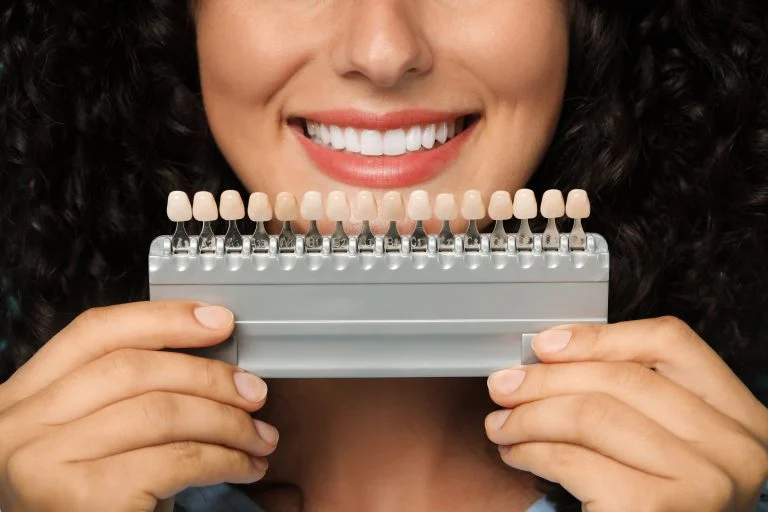

You already know your wedding date. What you may not know yet is whether your smile goals fit inside it.
That’s the real question behind a wedding smile makeover: not “what can a dentist do” but “what can a dentist do before your date, with enough time left over to heal, settle, and actually look like you on the day.”
The honest answer depends on the time between today and the ceremony and what your teeth need.
A practical smile makeover timeline before wedding photos begins with your ceremony date and works backward, giving every treatment enough time for planning, healing, and adjustments.
Some improvements can be completed quickly, while alignment, implants, and complex restorative work may require several months.
Key Takeaways
- Match your treatment choice to your real timeline: alignment and restorations need months, while whitening and bonding can happen close to the date.
- Oral health and bite alignment come first, whitening comes before any shade-matched restoration, and new treatments should stop a couple weeks before the wedding.
- A short consultation can tell you what’s realistic for your date, plus a fallback plan if your first choice won’t finish in time.
How Far Ahead Should You Start?
Your starting point determines which dental treatments are even on the table. The farther out your wedding is, the more structural work you can fit in; the closer it gets, the more your options narrow to things that don’t need months to heal.
12 Months or More: Allow Time for Complex Treatment
A year or more provides the widest range of possible treatment options, although candidacy still depends on your oral health and clinical evaluation.
This is the window for orthodontic treatment, implants, or a full smile makeover involving multiple veneers and crowns.
Clear aligner treatment may require several months or longer, depending on the amount of movement and bite correction needed. An evaluation is necessary to estimate the treatment length and appointment schedule.
Dental implants need their own runway too: osseointegration, the process where the implant fuses with your jawbone, generally takes 3 to 6 months before a crown can even go on top.
If a date like this applies to you, a consultation now means nothing gets rushed later.
Three to Six Months: Plan Cosmetic Changes
This window suits veneers, crowns, and gum contouring, the treatments that need a lab and a little healing time but not a full year.
Porcelain veneers typically take two to three appointments over two to four weeks once preparation starts, though many practices recommend starting the planning conversation 2 to 4 months ahead to leave room for shade decisions and any adjustments.
Gum contouring fits here too. Tissue needs roughly one to two weeks, sometimes longer, to heal and settle into its new shape before veneers or crowns go on top.
Four to Eight Weeks: Focus on a Smile Refresh
Within two months, dental bonding becomes your best friend. It fixes chips, small gaps, and reshaping in a single visit per tooth with no lab wait.
This window also covers a dental cleaning, replacing a visible old filling, and starting professional whitening early enough that the color has time to stabilize before photos.
Less Than Two Weeks: Keep Changes Simple
With days instead of weeks, keep it simple: a professional cleaning and polish, and whitening only if you’ve already built in time for sensitivity to fade.
Starting anything new this close to the wedding, including DIY whitening kits, risks uneven results or discomfort that doesn’t have time to resolve before the vows.
How Long Does Each Treatment Really Take?
Every treatment has two clocks running: the time you spend in the chair, and the time your body or a dental lab needs to finish the job.
Confusing the two is the most common reason people get caught off guard by their wedding timeline.
Clear Aligners and Bite Correction
Clear aligner treatment can be one of the longest parts of a wedding smile plan. The timeline depends on the amount of tooth movement needed, the complexity of the bite, and how consistently the aligners are worn.
Your dentist must evaluate your smile before estimating whether treatment can be completed before the wedding.
Dental Implants and Healing Time
Dental implants take the longest to finish because of biology, not scheduling. Osseointegration, where the implant fuses to your jawbone, takes 3 to 6 months on its own, and cases needing bone grafting can stretch the full process to 12 months or more.
If a missing tooth is part of your smile plan, this is the treatment to start first, often a full year before the wedding.
Porcelain Veneers and Dental Crowns
Veneers and crowns follow a similar rhythm: a preparation visit, a round of temporary veneers or temporary restorations while the lab builds your permanent ones, then a placement visit two to four weeks later.
Tooth preparation itself takes one appointment, but lab fabrication adds one to two weeks minimum, and most full veneer cases run three to eight weeks from consultation to final reveal.
Bonding, Gum Contouring, and Whitening
These are the fastest pieces of the plan. Composite bonding is usually done in a single visit per tooth with no lab involved at all.
Gum contouring needs one to two weeks of healing before it’s ready for veneers on top. Professional teeth whitening may involve in-office treatment for faster results or custom take-home trays for gradual whitening.
The recommended method and timing depend on your starting shade, sensitivity, and wedding date.
Why Does the Order of Treatments Matter?
Treatment order controls your calendar more than the number of procedures you choose.
Skip ahead to the fun part, like whitening or veneers, before your mouth is actually ready, and you risk redoing work closer to the wedding than you’d like.
Address Dental Health and Alignment First
Cavities, gum disease, and bite problems get treated before any cosmetic work starts.
A filling or a round of gum treatment might add a visit or two at the front end of your plan, but building veneers over an unhealthy foundation risks failure down the road.
This is also when a bite evaluation happens, since uneven pressure from a misaligned bite can crack bonding or chip a new veneer within months.
Whiten Natural Teeth Before Matching Restorations
When natural teeth and shade-matched restorations are both being treated, whitening is usually completed first so the veneers, crowns, or bonding can be matched to the final tooth shade.
If you whiten afterward, your natural teeth brighten while your restorations stay the same shade, leaving a mismatch that shows up in every close-up photo.
Leave Room for Healing, Lab Work, and Adjustments
Three separate clocks run during any smile makeover: chair time, lab turnaround, and healing time.
A veneer might take 30 minutes to prepare, but the lab still needs one to two weeks to build it, and gum tissue from contouring needs its own week or two to settle.
Building a buffer before the wedding into each step protects you from a smile that still feels or looks unfinished on the day.
What Happens at a Wedding Smile Consultation?
If your wedding is approaching and you are worried about running out of time, you do not have to choose treatments on your own. A wedding smile consultation is where your dentist turns your date into an actual plan.
At Ridge Road Family Dentistry, Dr. Ahmad Ghiba can explain which esthetic and restorative options suit your smile, organize them around your wedding date, and help you focus on changes that can be completed safely without rushing the results.
Set Goals and Check Oral Health
Your dentist will ask what you want to change, whether that’s color, shape, gaps, or alignment, and then check for cavities, gum health, and bite issues that need attention first.
Your dentist can use photographs, examinations, impressions, and other appropriate planning records to explain the likely results and determine which treatments fit your schedule.
Map Appointments, Costs, and Backup Options
During a cosmetic dentistry consultation, the dentist builds a sequence: which treatments go first, how many appointments each one needs, and where the lab turnaround and healing windows fall on your calendar.
This is also the moment to ask about cost, since a full treatment plan typically gets quoted in writing after this visit, and to flag a backup plan if your top choice won’t realistically finish in time.
What Should You Schedule in the Final Month?
The final month before your wedding is for finishing touches, not new treatments. This is whitening, a cleaning, and a check of any existing dental work, nothing that needs weeks to settle.
Finish Whitening With Time for Sensitivity to Settle
Plan your last professional teeth whitening session 2 to 4 weeks before the wedding. Temporary sensitivity may occur after whitening and often improves soon after treatment, although the timing varies by patient.
Color also settles over the days after treatment, so this window gives you peak brightness for photos instead of a shade that’s still shifting.
Book a Cleaning and Check Existing Dental Work
Schedule your professional cleaning early enough for any temporary gum tenderness or sensitivity to settle. Your dental team can recommend the appropriate timing based on your oral health and wedding date.
Avoid Starting Major Treatment During Wedding Week
Skip anything new in the final seven days, including DIY whitening strips or a same-week veneer. New treatments need settling time your schedule doesn’t have left, and the risk of sensitivity or an off bite showing up at the rehearsal dinner isn’t worth it.
Give Your Smile a Deadline That Leaves Breathing Room
A wedding date works best as a deadline with buffer room built in, not a hard stop you’re racing toward.
Start by counting backward from the day itself: alignment and implants need the most lead time, veneers and crowns need weeks for the lab, and whitening and bonding can wait until closer to the date.
The order matters as much as the timeline. Health and alignment first, whitening before any shade-matched restoration, and no new treatments once you’re inside the final couple of weeks.
If your original wish list doesn’t fit the calendar, a good consultation will tell you that honestly and offer a version that does, whether that’s bonding and whitening instead of veneers, or a plan that finishes next year instead of this one.
Frequently Asked Questions
When should I get my teeth professionally whitened before my wedding?
Schedule professional teeth whitening 2 to 4 weeks before your wedding. That gives any short-term sensitivity time to fade and lets the color settle fully before photos, instead of catching you mid-adjustment on the day.
How long does a smile makeover take before a wedding?
It depends entirely on what your smile needs. A simple whitening and bonding refresh can wrap up in a few weeks, while a makeover involving orthodontics, implants, or multiple veneers can take 6 to 12 months or more once healing and lab time are factored in.
Can I get veneers a month before my wedding?
It’s tight but sometimes possible for a tooth or two, since veneers typically need two to three appointments over two to four weeks for preparation and lab fabrication.
A full set across many teeth is riskier on that timeline, and many dentists will suggest bonding instead if your date is under six weeks out.
What if I still have clear aligners on my wedding day?
Plenty of couples finish their vows with aligners still in progress, and that’s workable if you plan around it. Clear aligners can generally be removed briefly for wedding photos, meals, and the ceremony.
However, you should follow your prescribed daily wear time and confirm the wedding-day plan with your dentist.
How much should I budget for a pre-wedding smile makeover?
Treatment costs depend on the procedures selected, the number of teeth involved, and whether preliminary dental care is needed.
After your evaluation, the practice can provide a written estimate, review applicable PPO benefits, and explain the flexible payment plans available through its insurance and financing options.