Loose dentures can turn simple moments, like eating dinner or chatting with a friend, into a source of stress. If your denture fit has changed over time, you are not imagining it. Snap-on implant dentures use small anchors placed in your jawbone to hold your denture firmly in place, so it does not shift when you chew or speak.
You might have already tried adhesives or a reline, only to find the slipping comes back a few months later. That is because your jawbone naturally changes shape over time, which affects how your denture sits. Understanding why this happens can help you figure out which fix will actually last.
This article walks you through why dentures move, how implant-supported dentures create a more stable base, and what to expect if you switch from a traditional denture to a snap-in option. You will also learn how to care for your new denture so it stays comfortable for years to come.
Key Takeaways
- Jawbone changes over time are the main reason dentures start to feel loose or cause difficulty chewing.
- Snap-in dentures attach to implants in your jawbone, which helps keep them from slipping.
- Simple daily care and regular checkups help your implant-supported denture stay comfortable and secure.
Why Dentures Move During Meals and Conversations
Dentures move around because your mouth is always changing shape, even when your denture stays the same size. Bone loss, worn materials, and everyday habits like chewing can all pull your denture out of place at the worst times.
Jawbone Changes After Tooth Loss
Your jawbone needs the roots of your teeth to stay strong and full. Once teeth go missing, that stimulation stops, and your body starts to break down the bone in that area. This process is called bone resorption, and it happens slowly over months and years.
As your jawbone shrinks, the ridge that once supported your denture gets smaller and flatter. Your denture was made to fit a certain shape, so it no longer matches what’s underneath it. This creates gaps between your denture and your gums, and that’s often what causes dentures to slip or feel loose over time.
Poor Fit, Worn Materials, and Bite Changes
Traditional removable dentures rely on a snug fit and a bit of suction to stay put. Over time, the base of your denture can wear down, and the chewing surfaces can flatten out. This makes it harder for your denture to grip your gums the way it used to.
Poorly fitting dentures can also come from other sources, like changes in your bite or even a fit that wasn’t quite right when you first got your new dentures. Chewing habits matter too. Biting down hard on your front teeth, or eating sticky and tough foods, puts extra strain on your denture and can cause the back of your denture to lift while you eat.
Here’s a quick look at common culprits behind a loose fit:
- Bone loss that changes the shape of your jaw
- Worn denture material that no longer grips properly
- Bite changes that shift pressure unevenly
- Dry mouth that reduces natural suction
- Ill-fitting dentures that were never quite right
How Slipping Affects Comfort and Confidence
When your denture shifts, it can rub against your gums and cause irritation. This friction often leads to gum soreness or sore spots, especially along the ridges where your denture presses hardest.
Slipping also lowers your chewing efficiency, making it harder to break down food properly. This can turn eating into a stressful task instead of something enjoyable.
Beyond the physical discomfort, loose dentures can chip away at your confidence. Many denture wearers worry about slipping during conversations or meals with others, which can make social situations feel stressful rather than fun.
How Snap-On Implant Dentures Create a More Secure Fit
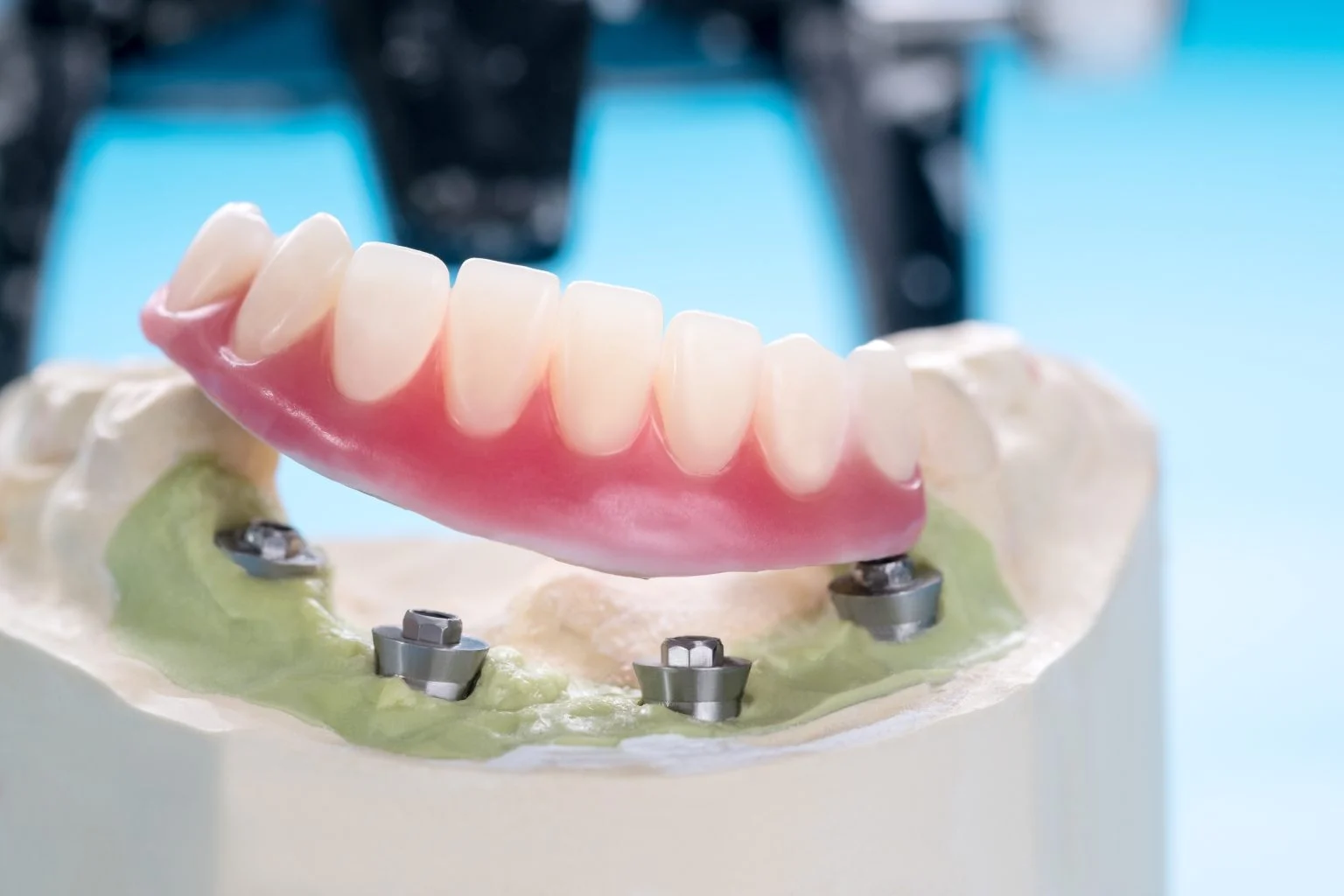
Snap-on implant dentures use small posts placed in your jawbone to hold your denture steady. This gives you a fit that stays put while you eat, talk, and laugh.
What Snap-In Dentures and Overdentures Are
Snap-in dentures are a type of removable denture that attaches to dental implants instead of just sitting on your gums. You might also hear them called snap-on dentures, implant-supported dentures, or overdentures. All of these terms point to the same basic idea.
Your denture connects to implants placed in your jaw, which gives you more grip than gum tissue alone can offer. This can help you feel steadier when you chew or speak.
Even though the fit is more secure, you still take the denture out each day. This makes cleaning simple and lets you care for your gums the right way.
How Dental Implants and Attachments Hold the Denture
Your new smile rests on three basic parts working together. Here is a quick breakdown:
- Dental implants: Small titanium posts placed in your jawbone during a short surgery. Over several weeks, your bone grows around them and locks them in place.
- The denture: Your custom-made replacement teeth, built to snap onto the implants.
- Attachment system: The connector piece that lets your denture click onto the implants and stay locked during the day.
You may hear a soft click when you snap the denture into place, and that sound means it’s seated correctly. This setup keeps your denture from sliding around while you talk or bite into food. Your dentist will walk you through the exact number of implants your case needs, since this depends on your jaw and your goals.
Removable Snap-Ins Compared With Fixed Dentures
Snap-in dentures and fixed dentures both use dental implants, but they work in different ways.
| Feature | Snap-In Dentures | Fixed Dentures |
|---|---|---|
| Removable by you | Yes | No |
| Daily cleaning routine | Take out and clean separately | Clean like natural teeth, in place |
| Feel | Secure, with some flexibility | Stays in place at all times |
Your choice between the two often comes down to your daily habits and comfort preferences. Some people like being able to remove their denture at night, while others prefer a fixed option that never comes out.
Your dentist can help you weigh your bone health, gum condition, and lifestyle needs. This helps you land on the tooth replacement option that gives you the best proper fit for your day-to-day life.
Common Problems With Snap-In Dentures and Their Solutions
Snap-in dentures can develop a few common issues over time, like loose attachments, sore gums, or cracks in the denture base. Most of these problems have simple fixes when you catch them early.
Loose or Worn Snap Attachments
Loose snap-in dentures are one of the most common complaints you might run into. This usually happens because the small parts that snap your denture onto your implants wear down after months or years of use.
Attachment wear is normal. You snap your denture in and out every day, so the parts naturally lose some grip over time.
The fix is simple. Your dentist can replace the worn pieces during a quick office visit, and your denture will snap back into place like new. Don’t wait too long to get this checked, since a loose snap-in denture can lead to more slipping and clicking during eating and talking.
Clicking, Pressure Points, and Gum Soreness
You might notice a clicking sound or feel pressure spots when you wear your denture. This often means the fit isn’t quite right anymore.
Gum irritation and gum soreness can happen when your denture rubs against certain areas of your mouth. Your gums and jawbone change shape slowly over time, even with implants in place, so a denture that once fit well can start to feel different.
Sore spots are your body’s way of telling you something needs attention. A denture adjustment can smooth out rough areas and fix pressure points so your denture sits comfortably again.
Regular checkups help your dentist catch these small issues before they turn into bigger problems with your denture fit.
Cracks, Breakage, and Trouble Seating the Denture
Your denture is strong, but it’s not indestructible. Cracks or small breaks can happen from years of chewing, accidental drops, or grinding your teeth at night.
You might also notice your denture is harder to snap into place than before. This can mean the attachment parts are worn, the denture base has shifted slightly, or there’s a small amount of damage you can’t see.
Trouble seating your denture is a sign to schedule a visit soon. Waiting can make the problem worse and put extra strain on your implants. A quick repair or adjustment usually gets things back to normal.
When Implant Problems Need Prompt Care
Most snap-in denture issues are minor, but some signs point to a bigger problem. Pain around an implant, swelling, or a feeling that the implant itself is loose could mean implant failure.
This is different from normal attachment wear. Attachment wear affects the small connector pieces, while implant failure involves the metal post in your jawbone.
Signs you shouldn’t ignore include:
- Persistent pain near an implant
- Visible swelling or redness in the gums
- A wobbly or shifting implant
- Bad taste or odor that doesn’t go away
If you notice any of these, call your dentist right away. Quick action gives you the best chance of saving the implant and avoiding more extensive treatment later.
Choosing Between an Adjustment, Reline, or Implant Upgrade
Not every loose denture needs the same fix. Your best option depends on how much your jawbone has changed, how old your dentures are, and whether you want a quick fix or a permanent solution.
When Denture Adhesive Is Only a Temporary Aid
Denture adhesive can help you get through a meal or a big event without worry. It fills small gaps between your gums and your denture, which can reduce slipping for a few hours.
But adhesive is not a real fix. It only masks the problem instead of solving it.
If you need more and more adhesive to keep your dentures in place, that is a sign your jawbone has changed shape. Poorly fitting dentures held together with layers of adhesive can also irritate your gums over time. You deserve a solution that lasts longer than a tube of paste.
How a Denture Adjustment or Hard Reline Helps
If your dentures are in good shape but feel a little off, a denture adjustment may be all you need. Your dentist can reshape small areas of the denture to remove sore spots and improve the fit within a single visit.
For more noticeable looseness, a denture reline is often the next step. This involves adding new material to the inside of your denture so it matches your current gum shape more closely.
A hard reline uses a firm, long-lasting acrylic and tends to work well for most patients. It can be a good middle-ground option between an adjustment and replacing your dentures. Relines are usually cheaper and faster than getting new dentures.
When Bone Grafting May Be Needed Before Implants
If you are considering dental implants to stabilize your dentures, your jawbone needs enough width and height to support them. Years of wearing traditional dentures can lead to lower bone density, since the bone no longer gets stimulated by natural tooth roots.
When your bone has thinned too much, your dentist may recommend bone grafting before implant placement. This procedure adds bone material to build up the area, giving the implants a stable base to anchor into.
Grafting does add extra healing time to your treatment plan, often several months. But it can make the difference between qualifying for implants or not. Your dentist will use x-rays or a 3D scan to check your bone levels and let you know if grafting is needed for your case.
When to Consult a Prosthodontist
A prosthodontist is a dentist who specializes in restoring and replacing teeth, including complex denture and implant cases. If your dentures have failed to fit well even after adjustments or relines, it is worth getting their opinion.
They can evaluate your jaw, gums, and remaining bone to figure out why your dentures keep slipping. From there, they can walk you through your options, whether that means a new set of traditional dentures or upgrading to implant-supported ones.
Seeing a specialist is especially helpful if you have had multiple relines that have not solved the problem. A prosthodontist’s evaluation can save you time and money by pointing you toward the right long-term fix from the start.
Daily Care and Follow-Up for Lasting Comfort
Snap-in dentures need daily attention and regular dental checkups to stay comfortable and work well. A simple cleaning routine and smart food choices can help your implant-supported dentures last for years.
Cleaning the Denture, Implants, and Gums Every Day
Good oral hygiene keeps your mouth healthy and your dentures fitting well. You should clean your dentures every day to stop bacteria and plaque buildup from forming around the implants.
Here’s a simple daily routine to follow:
- Rinse your dentures after eating to remove loose food
- Brush the denture surface with a soft-bristled brush and non-abrasive cleaner
- Clean your gums, tongue, and the roof of your mouth with a soft brush
- Soak removable dentures in water when you’re not wearing them
If you skip cleaning steps, bacteria can build up around the implants. This may lead to gum irritation or problems with the fit over time.
Food Habits That Support Comfortable Chewing
What you eat can affect how well your dentures work. Snap-in dentures improve chewing efficiency compared to regular dentures, so you can enjoy a wider variety of foods.
Still, some habits help protect your denture fit long-term. Try to avoid biting into very hard foods, like ice or hard candy, since these can strain the attachments. Chewing on both sides of your mouth evenly also helps spread pressure across the implants instead of wearing down one spot faster.
Sticky foods, like caramel, can pull at the denture and loosen it over time too. Cutting food into smaller pieces makes chewing easier and puts less stress on the implants.
Why Regular Checkups Protect Implant Health
Dental checkups play a big role in keeping your implants and dentures working right. Your dentist can check the implants for looseness and tighten the attachments if needed.
Regular check-ups also let your dentist catch small issues before they turn into bigger problems. This includes checking for gum irritation, wear on the denture surface, or shifts in your bite.
Most denture wearers benefit from visiting their dentist every six months. This helps make sure your implant-supported dentures stay secure and your gums stay healthy.
Frequently Asked Questions
Loose dentures can turn everyday moments into stressful ones, but you have real options to fix the problem. Here are answers to common questions about why dentures slip and how snap-on implant dentures can help.
Why do my dentures slip when I eat or talk?
Your dentures slip because your jawbone and gums change shape over time. As your bone shrinks, the base of your denture no longer matches the shape of your mouth.
This creates gaps where food and saliva get trapped. Those gaps let air in, and that’s what causes the shifting and slipping you feel. Loose dentures are a common problem for many people who wear traditional dentures.
Chewing tough foods or talking a lot puts extra pressure on your dentures. This pressure can push them out of place, especially if they were not fitted well to begin with.
What are snap-on implant dentures, and how do they stay in place?
Snap-on implant dentures use small metal posts placed in your jawbone. These posts act like anchors that hold your denture firmly in place.
Your denture has small attachments built into its base. These attachments click, or “snap,” onto the posts in your jawbone.
This creates a strong grip through friction between the two parts. The tighter the connection between these parts, the more secure your denture feels when you eat or talk.
You can still remove the denture yourself for cleaning. But once it’s snapped in, it stays put during normal daily activities.
How many implants are usually needed for snap-on dentures?
Most snap-on denture plans use two to four implants per jaw. Your dentist decides the exact number based on your bone health and the type of denture you need.
Two implants can support a lower denture in many cases. This is because the lower jaw often has enough bone density to hold a secure connection with fewer posts.
Your upper jaw may need more implants for the same level of support. This is because upper jawbone tends to be softer, so more anchor points help spread out the pressure.
Are snap-on implant dentures more comfortable than traditional dentures?
Yes, most people find snap-on dentures more comfortable. They fit snugly against your gums without shifting around like traditional dentures can.
You also avoid sore spots that come from rubbing and friction. Traditional dentures often rub against your gums as they move, and this can create painful areas over time.
Snap-on dentures spread your bite force across the implants instead of just your gums. This means less pressure and irritation on the soft tissue in your mouth.
Can I eat normally with snap-on implant dentures?
Yes, you can eat most foods without worry. Snap-on dentures hold steady, so you don’t have to avoid foods like apples, corn on the cob, or steak.
Your bite force improves greatly compared to traditional dentures. This is because the implants act like real tooth roots, giving you a stronger and steadier bite.
You may still want to cut very hard foods into smaller pieces at first. This helps you get used to your new bite strength and avoid putting too much pressure on one spot.
How do I clean and care for snap-on implant dentures?
You should remove your denture each night to clean it properly. Use a soft brush and a cleaner made for dentures, not regular toothpaste, which can scratch the surface.
Brush your gums and the implant posts gently every day. This helps prevent buildup of bacteria and food particles around the attachment points.
See your dentist for regular checkups to make sure your implants and denture attachments are working well. Over time, the parts that create the snapping feeling can wear down, and your dentist can replace them to keep your denture fitting snugly.