It is important to us that our patients are informed during every step of their treatment so that they are well prepared and have the chance to ask questions. The following information is a starting point for researching your procedure and should assist in developing a list of questions to ask during your consultation.
Before receiving dental anesthesia for oral surgery, proper preparation is essential for safety and smooth treatment. Do not eat or drink for at least 8 hours before surgery and avoid smoking for 12 hours prior. Arrange for someone to accompany you and drive you home after the procedure. On the day of surgery, avoid wearing jewelry, contact lenses, or dentures. If you take regular medications, consult your dentist beforehand to confirm they are safe to continue. Following these simple pre-surgery dental instructions helps ensure a safe and successful procedure.
Wisdom tooth extraction is a common oral surgery that requires proper aftercare to prevent infection and complications. After your wisdom tooth removal, keep the gauze in place for at least 45 minutes, then discard it. Avoid using a straw or rinsing your mouth, as this can dislodge the blood clot and delay healing. Limit physical activity on the day of surgery, but you can usually resume normal activities the next day. Take prescribed pain medication as directed to manage discomfort. Following these wisdom tooth extraction aftercare steps helps ensure a smooth and safe recovery.
After dental implant surgery, it’s important to rest for 48–72 hours to support healing and reduce bleeding. Drink plenty of fluids (avoid very cold drinks) and apply an ice pack in 20-minute intervals for the first two days to minimize swelling. If you received upper dental implants, avoid blowing your nose for two weeks. Mild bleeding and discomfort for the first couple of days are normal, with improvement typically by day three. A slight temperature increase (1–2 degrees) is also common. For proper dental implant recovery, eat soft foods and avoid chewing directly on the implant or bone graft area.
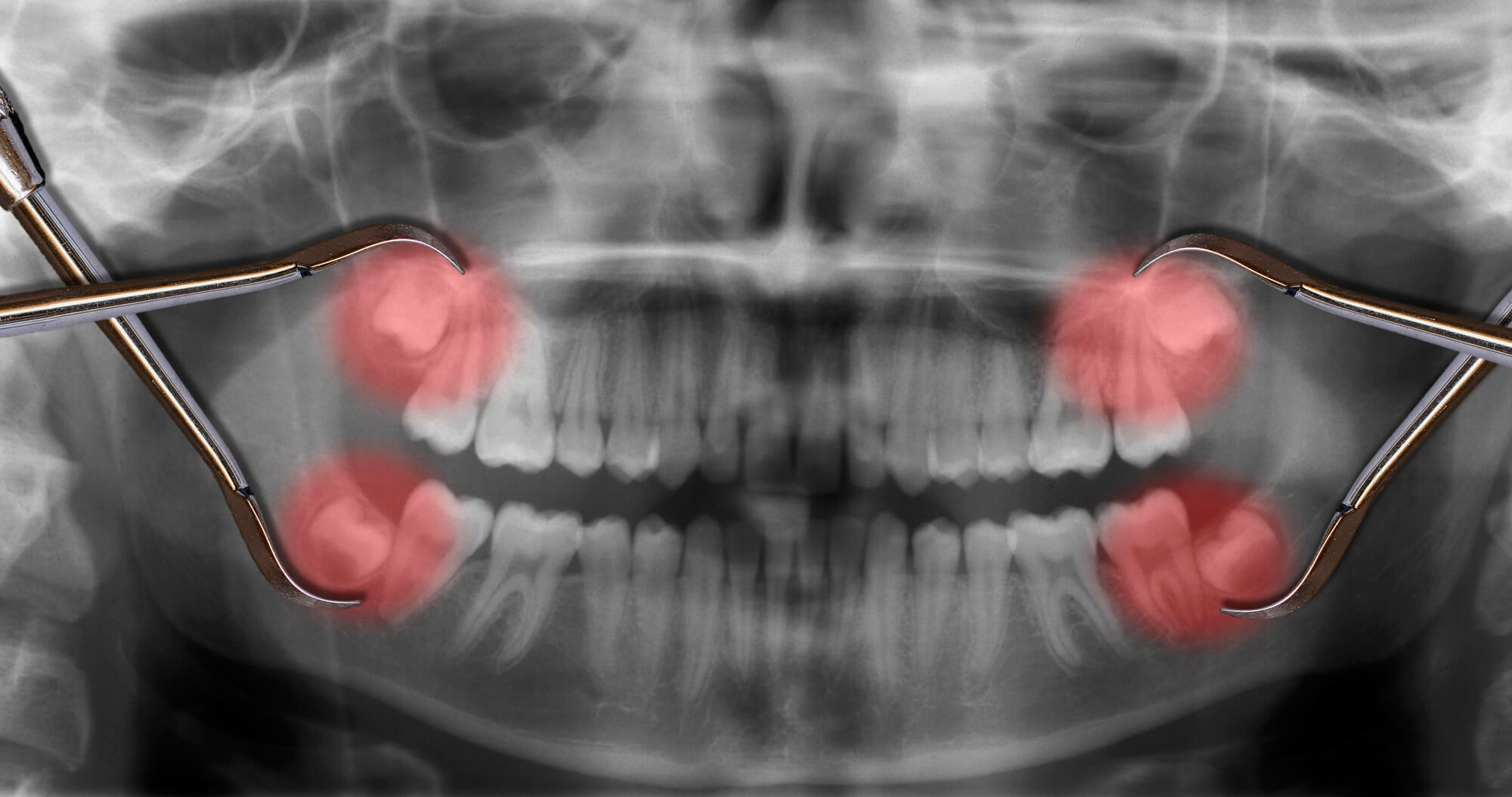
An impacted tooth occurs when there isn’t enough space in the dental arch for proper growth. After impacted tooth removal surgery, mild discomfort and swelling are normal parts of the healing process. Using cold compresses can help reduce swelling, and prescribed pain medication should be taken as directed. To support a smooth tooth extraction recovery, patients should avoid chewing on the treated area and follow a soft diet for a few days.
Multiple tooth extraction is a routine dental procedure, but it may require shaping the jawbone to prepare for dentures. After a multiple tooth extraction, it is normal to experience swelling (peaking within 48 hours), mild bruising around the eye, muscle soreness, a sore throat, and dryness at the corners of the mouth. These common tooth extraction recovery symptoms can be managed with proper aftercare, including warm compresses. Your dentist will usually schedule a follow-up appointment within 48 hours to monitor healing and ensure a smooth recovery after your dental extraction procedure.